Fix a Camping Stove That Sputters in Cold Weather
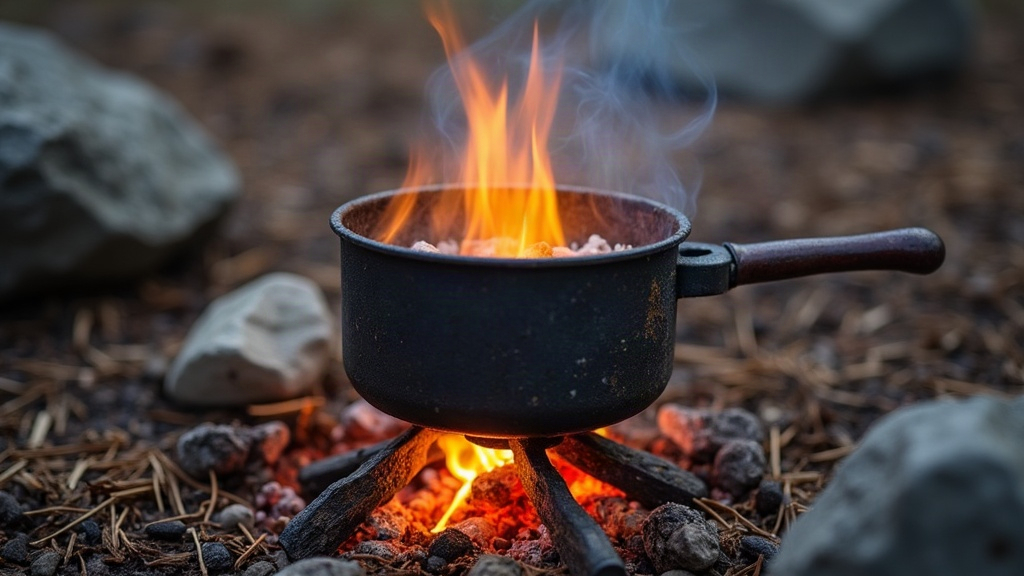
A stove that sputters and refuses to stay lit in the cold usually comes down to one of three things: the canister has lost pressure because of the temperature, the fuel line is clogged or partially frozen, or the jet is dirty and choking off fuel flow. The good news? All three are fixable on the spot, and most fixes take under five minutes once you know what to look for.
Why Cold Weather Kills Stove Performance
Butane and propane/butane blend canisters lose pressure as the mercury drops. Below about 32°F (0°C), butane basically stops vaporizing well, which starves the burner and gives you that weak, sputtering flame or a full flame-out. Liquid fuel stoves (white gas) aren’t off the hook either. Cold thickens the fuel and stiffens pump seals, so you end up with poor pressurization and an uneven burn even with a full tank.
Common symptoms and what they mean
- Flame sputters, shrinks, then dies → canister pressure loss (isobutane stoves)
- Stove won’t ignite at all → frozen fuel line, or zero pressure in a liquid fuel stove
- Yellow, sooty, uneven flame → clogged jet or dirty fuel
- Flame fine at first, weak after 10 minutes → the canister is cooling itself as it depressurizes
Fix #1: Warm the Fuel Canister
This is the single most effective trick for isobutane/propane canister stoves, hands down.
- Sleep with the canister in your jacket or sleeping bag so it’s already warm when you pull it out in the morning.
- While cooking, set the canister in a pot of lukewarm (not hot) water, or on a small foam pad instead of directly on snow or frozen dirt.
- Cup your hands around it for 30-60 seconds before lighting. Body heat alone is often enough to bring back a stable flame.
- Never heat a canister over an open flame or set it near the burner. That’s not a minor risk, it’s a real explosion hazard.
Fix #2: Switch to a Remote Canister Stove Orientation
Running a remote canister stove with inverted-canister capability? Flip the canister upside down once it’s lit. That feeds liquid fuel into the line instead of vapor, sidestepping the pressure-drop issue completely. Upright canister stoves, the kind that screw straight onto the burner, can’t do this trick. For those, warming the canister is really your only lever.
Fix #3: Check and Clean the Jet
A partially clogged jet will mimic cold-weather symptoms even on a mild 50°F afternoon.
- Let the stove cool all the way down and disconnect it from the fuel source.
- Use the built-in cleaning needle (most MSR and Primus stoves ship with one) or a fine wire. Skip drill bits or anything that could widen the hole.
- Slide it gently into the jet and give it a twist to knock loose any carbon buildup.
- Blow through the fuel line to clear out debris, then reassemble and test.
Fix #4: Prime Liquid Fuel Stoves Properly in the Cold
White gas stoves need a bit more effort when it’s cold out:
- Pump the fuel bottle 20-30 strokes before lighting, more than you’d normally do, since stiff, cold seals add resistance.
- Let the priming fuel burn out completely before opening the fuel valve. Skip this step and you’ll get a sooty, sputtering flame that never quite settles.
- If the pump feels loose or just won’t build pressure, the pump cup (leather or rubber) probably needs a drop of lubricating oil.
Fix #5: Shield the Stove from Wind
Wind chill speeds up canister cooling more than most people expect. A simple aluminum windscreen, positioned so it doesn’t touch the canister and trap heat dangerously, keeps the flame steady and cuts heat loss, which helps the canister hold its pressure longer.
Quick Cold-Weather Stove Checklist
- Sleep with your canister so it stays warm overnight
- Switch to an inverted-canister or liquid fuel stove once temps drop below 20°F (-6°C)
- Carry a spare cleaning needle, and actually know how to use it
- Insulate the stove base from snow or ice with a pot lid or foam pad
- Never let a canister sit in water that’s actually hot, warm is the limit
Conclusion
A sputtering stove in the cold is almost never a broken stove. It’s a pressure or fuel-flow problem, and it’s almost always preventable. Warm the canister before you fire it up, bring a cold-rated stove if freezing trips are a regular thing for you, and keep that jet clean. Do that, and you’ll get a strong, steady flame even when it’s well below freezing outside.