How to Keep Sleeping Bag Down Dry in a Single-Wall Tent
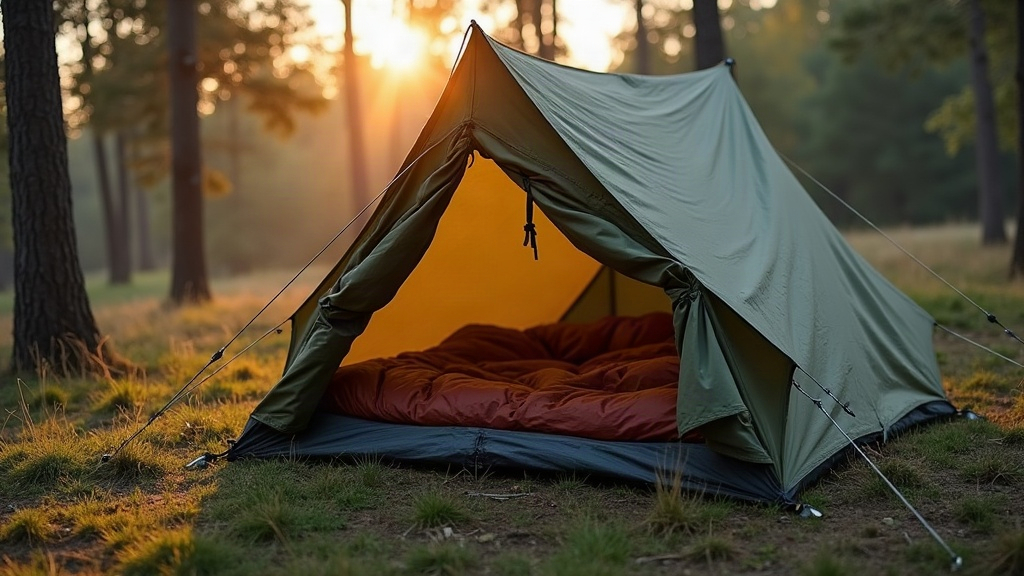
Single-wall tents are light and quick to pitch, no argument there. But that single fabric layer traps condensation against the wall, and moisture has an annoying habit of migrating straight onto your down bag. There’s no one magic trick for this. It takes a mix of airflow management, barrier layers, and smart positioning to keep your insulation lofted night after night.
Why Single-Wall Tents Are Harder on Down
Double-wall tents separate the rainfly from the inner tent with an air gap, so condensation forms on the fly, not on the wall touching your gear. Single-wall shelters (the go-to for ultralight backpackers and mountaineers) skip that gap entirely. There’s just one layer between you and the outside world. When warm, humid air from your lungs and skin hits that cold fabric, it condenses right on the interior surface, sometimes just inches from your sleeping bag.
And down hates wet. Even a little moisture collapses the clusters that trap warm air, which means you lose insulation exactly when you need it most, at 3am in a dropping-temperature valley.
1. Maximize Ventilation Before You Sleep
Airflow is your first and best defense, full stop.
- Open all vents, even partway, instead of sealing the tent up tight.
- Pitch with the door or vent facing away from the prevailing wind so you can leave it cracked without getting blasted all night.
- Skip cooking inside the tent. Boiling a pot of water for dinner adds a shocking amount of humidity to a small enclosed space.
- Pick a slightly elevated, well-drained site. Low spots collect cold, damp air overnight, like a bowl holding water.
2. Create a Barrier Between Bag and Tent Wall
Contact is the real enemy here. Down soaks up moisture fastest when it’s actually touching a wet surface, not just sitting near one.
- Center your bag on the pad, away from the walls, even if that means squeezing into a tighter pitch than you’d like.
- Use a bivy sack or a waterproof/breathable liner over the foot box and shoulders, the two spots most likely to brush against a damp wall during the night.
- If your tent sags by midnight (and it will, especially after a dewy evening), get up and retighten the guylines before it droops onto your sleep system.
3. Switch to (or Supplement with) Synthetic-Treated Down
Camping regularly in humid, single-wall conditions? Look at bags with hydrophobic-treated down, usually labeled DWR-treated down. These coatings make moisture bead up and roll off instead of soaking in, which buys you real extra margin before loft loss becomes a real problem.
In genuinely wet climates, a synthetic bag, or even just a synthetic quilt layered on the outside, can be the smarter trade-off. Yes, you’ll carry a bit more weight. You’ll also sleep warmer when things get damp.
4. Manage Your Own Moisture Output
Here’s something people miss: a huge chunk of tent condensation comes from you, not the environment. Your breath and skin are pumping out moisture all night long.
- Don’t breathe directly into your bag’s hood. Turn your head toward a cracked vent instead.
- Ditch damp base layers before bed. Change into dry sleep clothes, even if it feels like extra hassle at 9pm after a long hiking day.
- Keep wet gear (boots, rain jackets) in the vestibule or a stuff sack, never in the main tent body with you.
5. Dry Your Bag Every Morning
Even with textbook technique, some moisture exposure is just unavoidable. So make drying a habit, not an afterthought.
- Turn the bag inside out and drape it over your pack or a sunny rock for 15-20 minutes before you pack up.
- Shake and fluff the down to restore loft before compressing it back into its sack.
- Don’t stuff a damp bag straight into its compression sack at camp. Loose storage overnight (draped over a chair or branch) dries it out faster than you’d think.
6. Use a Vapor Barrier Liner in Extreme Cold
In sub-freezing conditions, a vapor barrier liner (VBL) worn against bare skin stops body moisture before it ever reaches the down. It feels clammy at first, no way around that. But for multi-day winter trips, it’s one of the most effective ways to keep insulation dry without adding a single extra ounce.
Quick Checklist Before Bed
- Vents open, door cracked if wind allows
- No cooking or boiling inside the tent
- Bag positioned away from tent walls
- Wet gear stored in vestibule, not main body
- Dry sleep clothes on
Conclusion
Keeping down dry in a single-wall tent comes down to three things: controlling airflow, minimizing contact between your bag and the tent fabric, and managing the moisture your own body puts out. Pair good ventilation habits with a hydrophobic-treated bag, or a vapor barrier liner on the cold trips, and your down stays lofted, warm, and reliable, even through long, humid nights under a single layer of fabric.