How to Keep Your Cast Iron Skillet from Rusting on a Multi-Day Trip
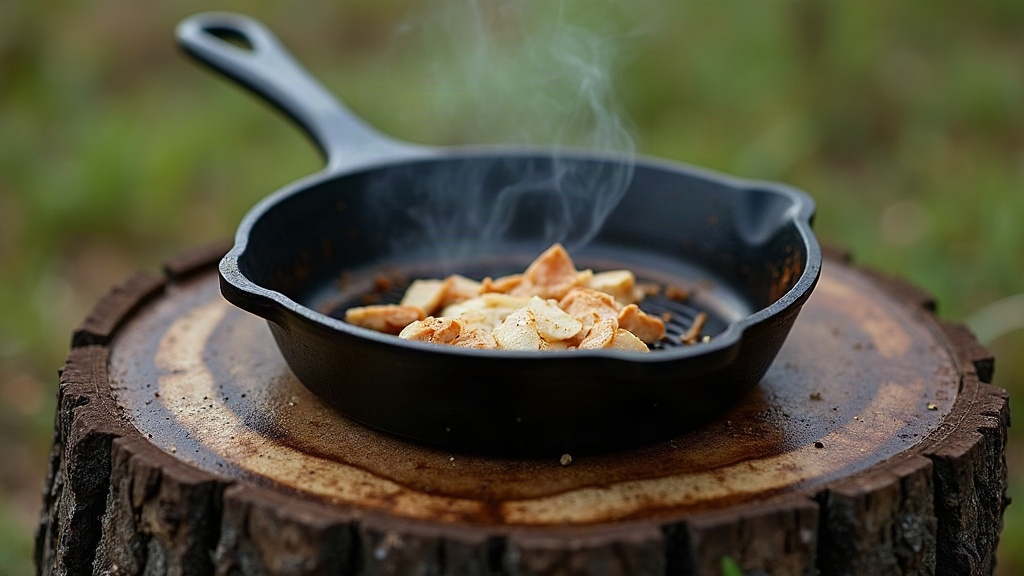
A cast iron skillet might be the toughest thing in your pack, but take it camping for four or five days and it can come home looking like it spent a winter at the bottom of a lake. Humidity, condensation, a little neglect at the end of a long hiking day, that’s really all it takes. The fix isn’t complicated once you understand what’s actually happening to the metal, and once you build a two-minute habit into your evening routine, rust basically stops being a thing you worry about.
Why Cast Iron Rusts So Easily on Trips
Rust forms when bare iron sits in contact with moisture and oxygen long enough for a reaction to take hold. At home this almost never happens, you wipe the pan, hang it up, done. On the trail it’s a different story, because a handful of things are working against you at once:
- Condensation building up inside a sealed cooler, dry bag, or plastic cargo box
- Leftover food residue trapping moisture right against the surface
- Damp campsite air, which gets worse fast near lakes, rivers, or anywhere on the coast
- Rushed cleanup, because after ten miles of hiking nobody wants to scrub a pan by headlamp
- Packing a warm, still-damp skillet into a stuff sack with zero airflow
Here’s the part people don’t expect: even a decent seasoning layer can fail if the pan sits wet overnight, especially somewhere humid. One night is sometimes all it takes.
The Core Routine: Clean, Dry, Oil
There’s really one habit that matters more than anything else, and it’s the same three steps every single time you cook, tired or not.
1. Clean It Right Away
Scrape the food out while the pan is still warm, that residue comes off ten times easier than once it’s cold and crusted on. Hot water plus a stiff brush or a chainmail scrubber will handle most of it. Skip the soap unless things are genuinely greasy or burnt on. Yes, modern seasoning tolerates a bit of dish soap fine, but if you’re soaping it up every night for five days straight, you’ll wear that thin seasoning layer down faster than you’d think.
2. Dry It Completely, Then Dry It Again
This is the step people skimp on, and it’s the one that actually causes most trail rust. Water hiding in the tiny pores of the metal, or pooled around the rivets where the handle attaches, is enemy number one. So:
- Set the pan directly on your camp stove or the dying coals of your fire for a minute or two on low heat. That flash-evaporates whatever moisture is left, even the stuff you can’t see.
- Check the underside and around the handle specifically. Those spots get forgotten constantly, and they’re almost always where rust shows up first.
3. Apply a Thin Oil Layer
While the pan’s still warm but not scorching, work in a few drops of a high smoke-point oil. Grapeseed, avocado, or a purpose-made cast iron oil all travel well because they won’t turn gummy sitting in a bag for days (regular olive oil can get tacky, worth avoiding for this). Buff off the excess with a paper towel or an old bandana. You’re aiming for a faint sheen on the surface, not a greasy film you can feel with your finger.
Smart Packing Tips for Multi-Day Trips
Cleaning matters, sure, but how you store the thing between meals is just as important, maybe more.
- Skip sealed plastic bags. Zero airflow plus trapped moisture is basically a rust greenhouse. A breathable cotton or canvas pan cover does the job without the risk.
- Keep it away from your wet gear. Don’t shove it next to a damp towel, a soggy tent, or a water bottle sweating condensation inside the cooler.
- Store it upside down, or slide a paper towel underneath if you’re nesting other pots inside it, so leftover moisture drips away instead of pooling on the cooking surface.
- Leave it out of the cooler altogether. Cast iron has no reason to stay cold. A dry dry-bag, a gear box, even the trunk of the car works better.
What to Do If You Spot Early Rust
Don’t panic, a little orange dust on the surface is a five-minute fix, not a reason to throw the pan out.
- Scrub the rusty patch with steel wool or a scouring pad until you’re back down to bare gray metal, no more orange tint.
- Rinse it off and dry it thoroughly, same stove-heat trick as above.
- Rub in a thin coat of oil, and if you’ve got a fire or stove handy, heat the pan for 10 to 15 minutes until the oil stops smoking. That re-bonds the seasoning right over the spot you just cleaned.
No need to strip the whole pan down to bare metal over one rust spot. Caught within a day or two, spot treatment is genuinely all it takes.
Bonus: A Simple Pre-Trip Checklist
Do this before you even load the car:
- Check the seasoning layer is even and solid. If it looks patchy or dull in spots, give it a quick touch-up session at home first.
- Toss in a small travel bottle of oil and a bandana that’s dedicated only to skillet maintenance (trust me, you don’t want to share it with your camp towel).
- Bring a mesh or cotton pan bag instead of grabbing whatever plastic bag is lying around.
Conclusion
Nine times out of ten, trail rust isn’t bad luck, it’s trapped moisture that never got a chance to leave. Clean the pan promptly, dry it aggressively (heat pass included), oil it lightly, and store it somewhere breathable, away from anything wet. Stay consistent with that after every single meal, and your skillet will walk out of the woods just as ready for dinner as it was on day one. No rust, no drama, no surprises when you unpack it back home.