Why Your Bear Bag Hang Fails (And a Two-Tree Fix That Works)
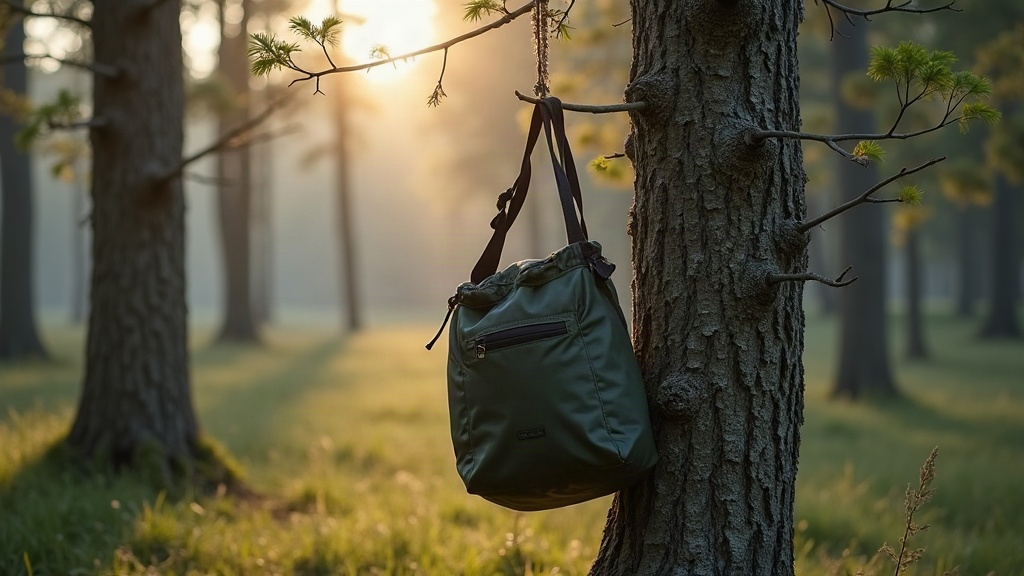
If your bear bag hang keeps failing, it’s almost always one of three culprits: the wrong branch, a counterbalance system too fussy to pull off in the dark, or a line a determined bear can climb, chew, or shake loose. The fix isn’t more rope or a bigger rock. It’s switching to the two-tree (PCT-style) method, which strips out the weak points that cause most hangs to come crashing down at 2am.
Why Traditional Bear Hangs Fail
Most hikers learn the classic single-branch counterbalance method: toss a rope over a branch, hoist two bags, tie them off so they balance at equal height. Sounds simple on paper. In the field, it fails constantly.
The Branch Problem
You need a live branch that is:
- At least 15-20 feet off the ground
- Strong enough to hold 15+ pounds without bowing toward the trunk
- Far enough from the trunk (6+ feet) that a bear can’t just climb the tree and reach the bag
- Free of smaller branches a bear could use as footholds
Finding one branch that checks all four boxes is hard enough in daylight. Finding it at dusk, after a 12-mile day with jello legs, is a different kind of hard.
The Counterbalance Problem
The PCT counterbalance method has you tossing a stick or stuff sack up to unhook a toggle, often while standing directly under the bag in the dark, hoping gravity doesn’t drop something hard on your skull. It’s technical, slow, and easy to botch. Which is exactly why bags end up hanging too low, too close to the trunk, or not balanced at all.
The Rope and Knot Problem
Thin paracord slips. Wet knots jam up and won’t release in the morning. A line thrown without enough force wraps around the branch instead of going over it cleanly, which quietly shortens your effective drop height until the bag ends up sitting right within paw’s reach.
The Two-Tree Method: Why It Works Better
The two-tree hang (some call it the “bear bag burrito,” others just the horizontal line method) stretches a single line between two trees, then hoists the food bag up the middle of that line using a separate pulley point. That one change solves nearly every problem above:
- No perfect branch needed. You just need two sturdy trees roughly 15-20 feet apart, with trunks you can tie to.
- Simple pulley mechanics. Once the horizontal line is set, raising and lowering the bag becomes a one-person, no-toss job.
- Distance from both trunks and the ground. A bear can’t climb either tree to reach the bag, and it can’t reach up from below if your line sits high enough.
How to Set It Up
- Pick your trees. Look for two sturdy trunks, 15-20 feet apart, with no low branches nearby a bear could use to approach the line’s midpoint.
- Set the horizontal line high. Toss your rope over a sturdy point on tree one at 18-20 feet, pull it taut, and anchor it low on tree two. The line should sag only slightly, not droop like a hammock.
- Attach a pulley or carabiner to the horizontal line, something that slides freely along it.
- Run your hoist line through that pulley point, clip on your food bag, and haul it up until it hangs at least 12 feet off the ground and 6 feet from both trunks.
- Tie off the hoist line low on one of the trunks, well out of reach, using a secure hitch (a trucker’s hitch or a simple cleat wrap both work fine).
Quick Checklist Before You Walk Away
- Bag is 12+ feet off the ground
- Bag is 6+ feet from both trunks
- Bag sits at least 4 feet below the horizontal line’s anchor points
- No loose cordage dangling that a bear could grab and yank
- All food, trash, and scented items are inside, toothpaste included (yes, bears will go after a half-used tube of Crest)
When to Use a Canister Instead
In many national parks and high-use corridors (Yosemite, parts of the Sierra, the Adirondacks), hard-sided bear canisters are required, and for good reason: bears in these areas have been pulling off defeated hangs for decades and have gotten good at it. Check local regulations before you even consider relying on a hang. Where hangs are legal and the trees cooperate, though, the two-tree method remains the most reliable rope-based option out there.
Final Thoughts
A failed bear hang isn’t bad luck. It’s usually the predictable result of relying on one branch and a fussy counterbalance toss that was never going to work smoothly in the dark. The two-tree method trades that complexity for plain geometry: two anchor points, one sliding pulley, and a bag that lands exactly where it needs to be, out of reach, every single time. Practice it once in your backyard before you actually need it on trail. You’ll thank yourself the first night you’re setting it up by headlamp with cold fingers.