How to Identify Sassafras and Brew Caffeine-Free Trail Tea
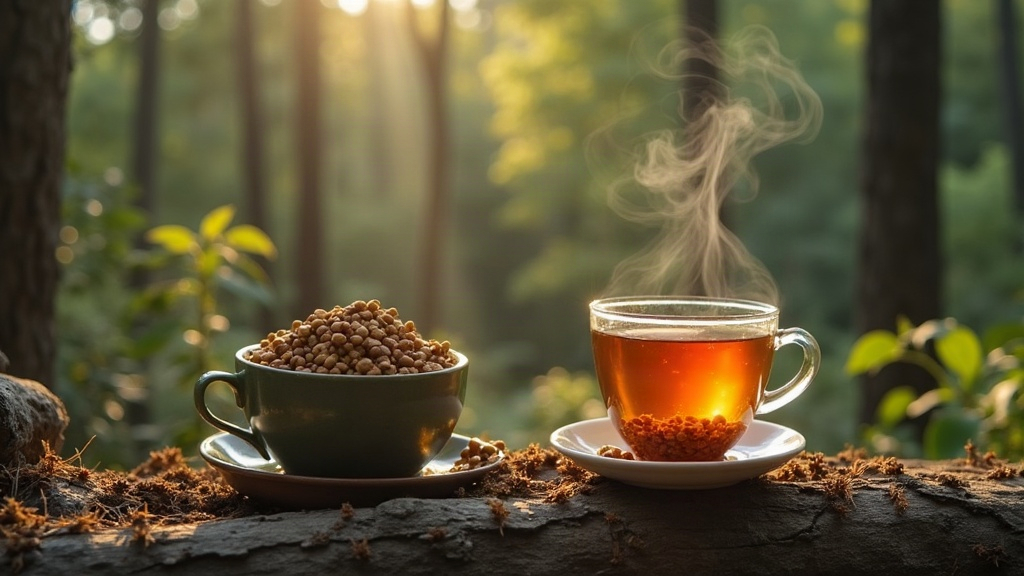
Identifying and Brewing Sassafras Tea
Sassafras (Sassafras albidum) might be the single easiest native tree in North America to pin down once you know the trick. Its roots carry a sweet, spicy aroma that foragers have been turning into caffeine-free tea for generations. Here’s how to spot it with confidence, dig a few roots without wrecking the tree, and brew a cup that actually tastes good.
Why Bother With Sassafras Tea?
Before supermarket shelves were stacked with herbal tea boxes, sassafras root tea was just… what people drank in the eastern U.S. It tastes like warm root beer, which makes sense, because sassafras root was literally the original flavoring in old-fashioned root beer before synthetic substitutes took over. No caffeine means it works fine at 9 p.m. around a campfire, or as your coffee replacement on a day you’re trying to cut back.
How to Identify Sassafras
You’ll usually find it along forest edges, in old abandoned fields, and in scrappy disturbed woodlands across the eastern and southern states. It’s not a tree hiding deep in untouched forest, it likes the messy in-between spaces.
1. The Three-Leaf Trick
This is the one shortcut that makes identification almost foolproof. Look at a single branch and you’ll often find three completely different leaf shapes growing side by side:
- A plain oval leaf, no lobes at all
- A “mitten” leaf with one lobe sticking out like a thumb
- A three-lobed leaf that looks like a trident or a turkey’s foot
I can’t think of another common North American tree that pulls this trick. If you see all three shapes on one branch, you’ve found sassafras. Don’t overthink it further.
2. Bark and Twigs
- Young twigs are smooth and green with a slight shine, aging into a reddish-brown.
- Older bark turns deeply furrowed, grayish-brown, almost corky to the touch.
- Snap a small twig and give it a sniff. You’re looking for something citrusy and root-beer-like, not subtle at all.
3. Scratch-and-Sniff Test
This is your tiebreaker if the leaves aren’t convincing enough. Drag a fingernail across the bark of a twig or exposed root. Real sassafras hits you with a sweet, spicy root-beer smell almost instantly. No smell, no sassafras. It’s that simple.
4. Seasonal Clues
- Spring: small clusters of yellow-green flowers show up right before the leaves fully open.
- Fall: the leaves go full technicolor, orange, red, yellow, arguably the most striking color show in the whole forest.
- Late summer: female trees drop small, dark blue berries sitting on bright red stalks, which is a dead giveaway if you catch it at the right time.
Harvesting Roots Responsibly
Sassafras spreads through underground root suckers, meaning a single “parent” tree can have a whole colony of young shoots nearby. That’s good news for foragers.
- Target the young suckers near the base of bigger trees rather than attacking the main root system. Pulling a few suckers won’t hurt the parent tree at all.
- A small hand trowel is enough to loosen the soil. Pull or cut a pencil-thick section of root; anything thicker takes longer to infuse and anything thinner barely has flavor.
- Spread your harvest across several suckers instead of stripping one plant bare. Three or four thin root pieces from different spots beats one big haul from a single tree.
- Get permission if you’re on private land, and double-check the foraging rules before digging in a state park or public forest. Some areas restrict root harvesting entirely.
Preparing and Brewing the Tea
- Clean the roots. Rinse off the dirt, really work it out from the crevices, nobody wants gritty tea.
- Cut it down. Chop the roots into 1-2 inch chunks, or shave the bark off with a knife if you want it to steep faster.
- Simmer gently. Toss a handful into about 2 cups of water and let it simmer low, not a rolling boil, for 10 to 15 minutes. Watch the water shift into a rich amber-pink, almost like weak cranberry juice.
- Strain and drink. Pour it through a cloth or fine mesh strainer. A spoon of honey rounds it out nicely if you want it sweeter.
If you’re heading out on a multi-day trip, dried root chips are the way to go. They weigh almost nothing, keep in a zip bag for weeks, and you just simmer them over a camp stove whenever you’re ready for a cup.
Safety Note on Safrole
Raw sassafras bark contains a compound called safrole, which the FDA pulled from commercial food products decades ago after lab studies flagged concerns at high, concentrated doses (think extracted oils, not a mug of tea). Occasional trail tea, brewed the old-fashioned way with a gentle simmer, is viewed by most experienced foragers as low-risk. That said, a few sensible guardrails are worth following:
- Don’t make it a daily habit over months or years.
- Skip it altogether if you’re pregnant or nursing.
- Stick to the root itself, not concentrated extracts or essential oils, those carry a much higher safrole dose per serving.
Moderation isn’t just a throwaway phrase here, it’s the actual difference between a harmless tradition and something riskier.
Conclusion
Sassafras is about as good a starting point as you’ll get for anyone new to foraging. It’s distinctive, it smells great, and once that three-leaf pattern clicks in your head, you’ll start noticing it on almost every wooded trail you walk. Dig a few roots the right way, let them simmer slow, and you’ll end up with a warm, caffeine-free cup that ties straight back to an old American tradition that predates every tea bag on the grocery shelf.