Survival Uses for Birch Bark You Can Harvest Sustainably
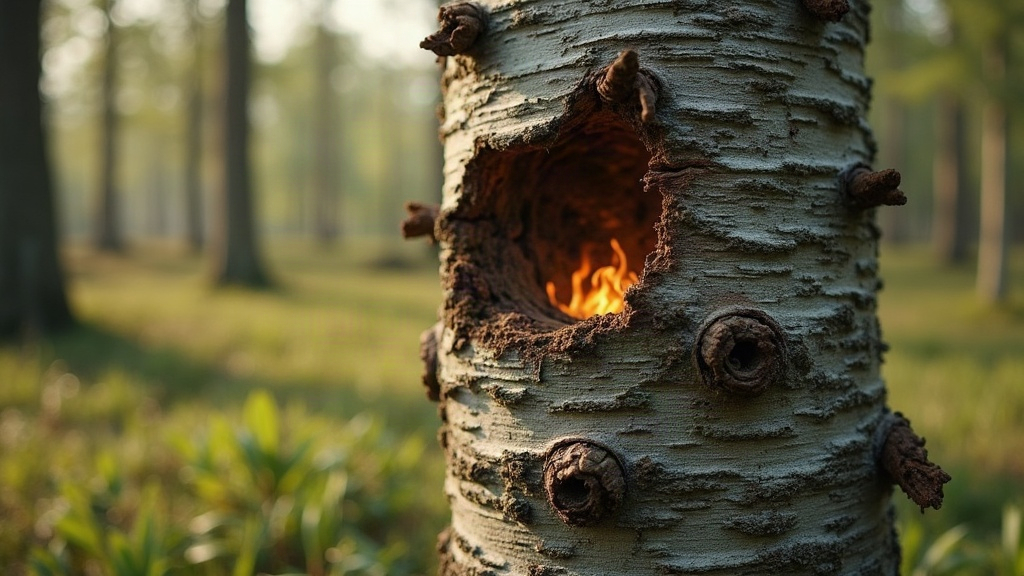
Birch bark might be the single most underrated material in the woods. It lights fires even soaking wet, folds into containers that hold water, twists into cordage strong enough to lash a shelter frame, and doubles as paper or roofing in a pinch. Learn to harvest it the right way, though, and you won’t have to choose between stocking your kit and keeping the tree alive.
Why Birch Bark Is a Bushcraft Essential
The secret is a compound called betulin, an oily resin locked inside the bark that makes it burn hot and shrug off moisture. Most tinder turns to mush in the rain. Birch bark doesn’t care. Even after a downpour, a single spark from a ferro rod will catch because that resin seals out water and keeps the bark flammable no matter how soggy the surrounding forest gets.
Spotting a birch is easy once you know what to look for: papery white or silver-gray bark that peels in thin curls, often striped with dark horizontal marks called lenticels. Paper birch (Betula papyrifera) in North America and silver birch (Betula pendula) across Europe are the two you’ll run into most.
Top Survival Uses for Birch Bark
1. Fire Starting
This is the big one, the reason most people learn to recognize birch in the first place. The thin, curling outer layers catch a spark almost instantly, while the thicker, oilier inner bark burns long enough to light your actual kindling. Shred a handful into fine curls, pack them loosely, and you’ve got tinder that works even on a damp October morning.
2. Waterproof Containers
Fold it, score it, stitch the seams with spruce root or sinew, and you can turn a single sheet of bark into a basket, cup, or cooking vessel. Indigenous groups across the boreal forest built entire food-storage systems around birch bark containers, because the material resists rot and keeps insects out far better than most alternatives.
3. Cordage and Lashing
Split the fibrous inner layers into strips and braid them, and you end up with cordage that’s stronger than it looks. Good for snares, gear repairs, or lashing a shelter frame together when you don’t have paracord on hand.
4. Emergency Shelter and Roofing
Harvested in large enough sheets, birch bark can shingle a lean-to the way cedar shakes would on a cabin roof. Water beads up and runs off instead of soaking through, which matters a lot when you’re trying to stay dry overnight.
5. Writing Surface and Signaling
Peel off a thin sheet and you’ve got something to scribble trail notes on. Lay out a bright white piece in a clearing and it also works as a ground-to-air signal panel if things go sideways and you need to be seen from above.
How to Harvest Birch Bark Sustainably
Here’s the catch: strip bark the wrong way and you can kill the tree. That’s not an exaggeration, it’s basic tree physiology. So sustainable harvesting isn’t just a nice-to-have, it’s a skill you actually need to get right.
- Harvest from downed or dead trees first. A fallen birch or a trunk from a recent cut gives you plenty of material without touching anything living. This should be your default, not your backup plan.
- Take only loose, peeling bark. Living paper birch sheds curling outer layers on its own. Peel those off gently by hand and the tree never notices.
- Never cut a full ring around the trunk. That’s girdling, and it severs the tree’s nutrient flow, basically a slow death sentence. If you absolutely need bark off a living tree, cut a narrow vertical strip, a few inches wide, never a ring around the circumference.
- Limit your harvest. A tinder bundle needs a palm-sized scrap, nothing more. Don’t strip a whole section just because you’re there.
- Avoid young or small-diameter trees. Thin bark means a more vulnerable tree. Go for mature specimens with thick, flaking outer bark instead.
- Check local regulations. Public land often restricts bark harvesting or requires a permit. A five-minute check before you start cutting can save you a fine, or worse, save a tree that didn’t need to be touched.
Quick Identification Tips
- White-to-gray bark peeling in thin, papery horizontal strips is the giveaway.
- Look for dark, raised horizontal lenticels running across the trunk like stitching.
- Don’t mix it up with aspen. Similar pale color, but aspen bark doesn’t peel the same way and has none of that flammable resin.
Final Thoughts
Few materials in the woods pull this much weight. One tree can hand you fire-starting tinder, a waterproof container, and emergency cordage, all without a single tool more complicated than a knife. Stick to deadfall when you can, take only bark that’s already loose or shedding, and never cut a ring around a living trunk. Do that consistently and your kit stays stocked while the forest around you keeps growing.