Foraging and Cooking Wild Ramps Without Damaging the Patch
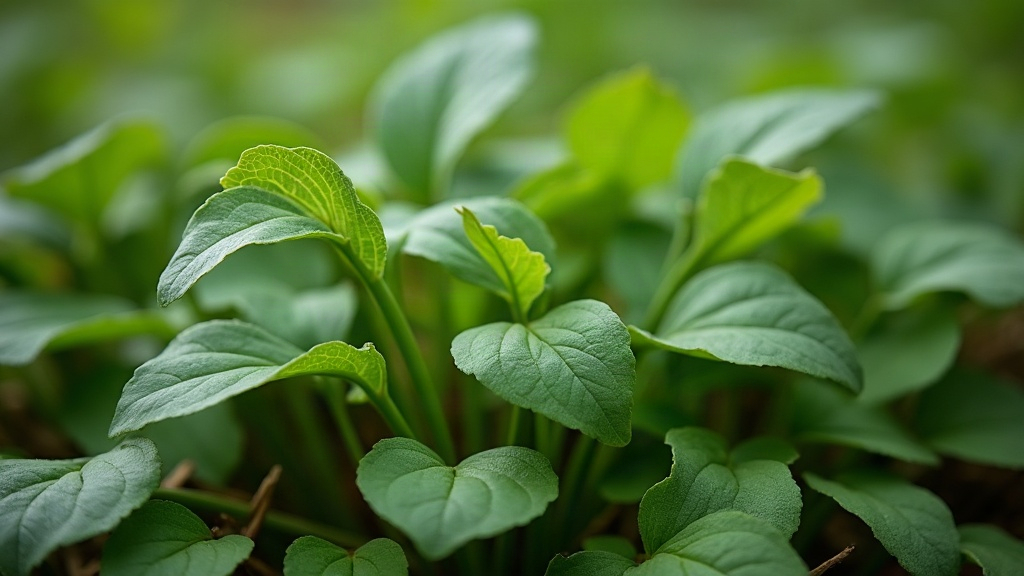
Wild ramps (Allium tricoccum) sit near the top of every serious forager’s spring wish list, a wild allium that tastes like garlic, onion, and scallion had a baby. Here’s the catch: ramps grow at a glacial pace, needing five to seven years to go from seed to maturity, and a patch that took a decade to establish can be gutted in one careless afternoon of digging. This guide walks through how to forage and cook wild ramps without wrecking the patch, so the same spot keeps feeding you every spring for years to come.
Why Sustainable Ramp Harvesting Matters
Ramps aren’t dandelions. They won’t shrug off abuse the way nettles or plantain do. Their whole life cycle is slow, almost fussy:
- A seed can sit for 18 months before it even bothers to germinate.
- A plant needs 5–7 years before it’s big enough to harvest.
- Pull the bulb and the plant is gone for good. No regrowth, no second chances.
- Public-land overharvesting has already pushed ramps to the brink, or past it, in parts of Quebec, Tennessee, and the Great Smoky Mountains.
When restaurants and farmers’ markets discovered ramps in the 2000s, demand spiked hard, and a lot of wild populations paid the price. Foraging carefully here isn’t some nice-to-have courtesy. It’s genuinely the only reason ramps are still around to pick.
How to Identify Wild Ramps
Don’t harvest a single leaf until you’re sure of what you’re looking at. Ramps show a few tells:
- Two to three broad, smooth, lance-shaped leaves, each running 6–10 inches long, often with a reddish or purple blush near the base.
- A sharp onion-garlic smell the instant you crush a leaf between your fingers, honestly the most trustworthy test you’ve got in the field.
- A small white bulb with a short root base, tucked into rich, moist hardwood forest floors, frequently near streams and on north-facing slopes in early spring.
Look-Alikes to Avoid
- Lily of the valley (Convallaria majalis), toxic, with leaves similar enough to fool a careless eye, but no onion smell whatsoever, and white bell-shaped flowers give it away later.
- False hellebore (Veratrum), toxic, easy to spot once you know it: heavily pleated, ribbed leaves that look almost accordion-folded.
- Trout lily, edible but not a ramp at all, and it won’t give you that garlic punch when crushed.
Simple rule: if crushing it doesn’t produce a garlic-onion smell, put it down.
The Sustainable Harvesting Method
The one rule that matters more than any other: take leaves, not bulbs. A ramp plant can lose one of its two leaves and still photosynthesize just fine, enough to survive the season and reproduce again.
Rules for a Healthy Patch
- Leaves only — snip a single leaf per plant with clean scissors, leaving the second leaf and the bulb untouched in the soil.
- Cap yourself at 10% of the leaves in any given patch, and rotate which patches you visit year to year rather than hitting the same one every spring.
- Leave the bulb alone unless it’s your own land and the population is genuinely thriving, and even then, no more than 1 in 20 plants should give up its bulb.
- Spread out across a wide area instead of stripping one convenient, dense clump bare.
- Check the law first. Ramp harvesting is restricted or flat-out banned in plenty of national parks and Canadian provinces, so know before you go.
This leaf-only approach still gets you almost all the flavor the bulb offers, while giving the patch a real shot at bouncing back.
How to Cook Wild Ramps
Fresh ramp leaves bite hard, garlicky and a little sharp, but that edge softens nicely once heat hits them. Here’s what to do with everything you responsibly bring home.
Raw Uses
- Ramp pesto — blitz the leaves with olive oil, toasted pine nuts, parmesan, and a squeeze of lemon. Great on toast, great tossed through pasta.
- Ramp butter (compound butter) — chop leaves fine, work them into softened butter with a pinch of salt, roll into a log, and freeze. It’ll keep for months and saves you from missing ramps in July.
- Ramp salt — dehydrate the leaves, crush them up, and mix with flaky sea salt. Finishes eggs, steak, or roasted potatoes beautifully.
Cooked Uses
- Sautéed ramps — toss leaves and sliced stems into butter or olive oil, 2–3 minutes until wilted, no longer. Good over polenta, scrambled eggs, or grilled fish.
- Ramp soup — simmer chopped ramps with potatoes and stock, then blend smooth. A splash of cream at the end takes the edge off and rounds it out.
- Pickled ramp bulbs — if you’ve legally taken a handful of bulbs, quick-pickle them in vinegar, sugar, and mustard seed. Makes a tangy little garnish that punches above its weight.
Storage Tips
- Refrigerator: wrap unwashed leaves in a damp paper towel, seal in a bag, use within 5–7 days.
- Freezer: blanch for 10 seconds, shock in ice water, pat dry, then freeze flat in a zip-top bag. Good for up to a year this way.
- Dehydrator: dry at 95–115°F (35–46°C) until crisp, then crumble into ramp salt or a powder for later.
Frequently Asked Questions
Can I harvest ramps after they flower? Once the flower stalk shows up in late spring, the leaves start dying back and the flavor fades fast. Stick to the early window, roughly April and May across most of the U.S.
Will ramps grow back if I cut only the leaves? Yes, genuinely. Leave at least one leaf per plant and don’t touch the bulb, and it’ll be back the following year, no problem.
Where should I never forage? Skip roadsides (contaminants soak into the soil there), any sprayed areas, private land without permission, and parks where collection is simply off-limits.
Conclusion
Wild ramps are a fleeting spring treasure, and they’re worth protecting like one. Learn to identify them with confidence, take leaves instead of bulbs, keep your harvest to a small slice of any patch, and cook them with a few simple techniques. Do that and you get every bit of that garlicky spring flavor you’re craving, while making sure the patch is still standing next year too. Sustainable foraging isn’t some watered-down compromise. It’s simply how the best foragers eat well and leave the woods better off in the process.