Foraging and Cooking Wild Ramps in Early Spring
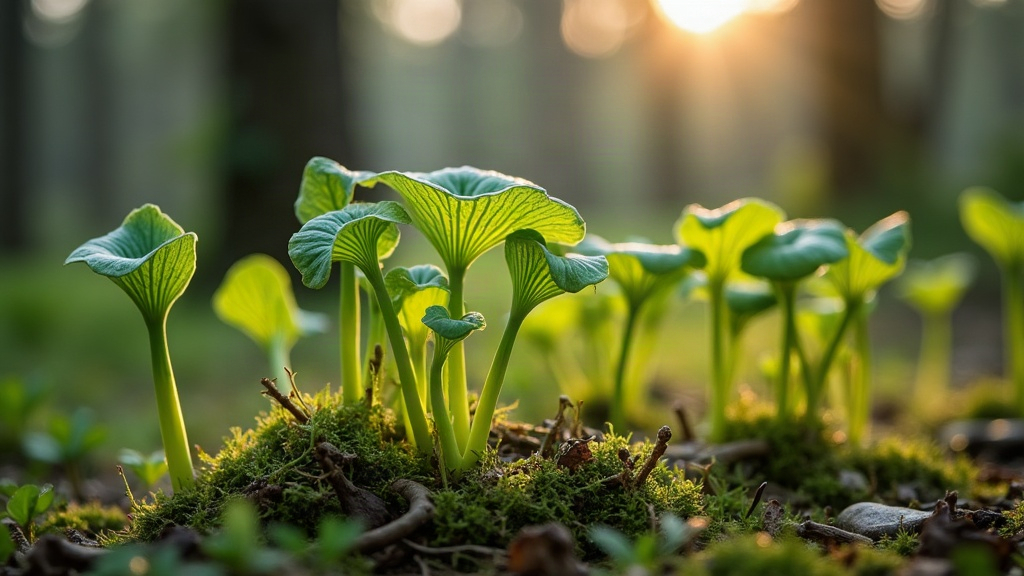
Foraging Wild Ramps: A Complete Guide
Foraging wild ramps in early spring is one of those rituals that seasonal cooks look forward to all winter. These pungent wild onions, with their sharp garlic-and-onion punch, only show up for a few short weeks. Get there at the right time, though, and you’re rewarded with a flavor you genuinely cannot buy at any grocery store. This guide walks through how to find ramps safely, harvest them without wrecking the patch, and turn them into dishes that taste like the forest floor waking up after winter.
What Are Wild Ramps?
Ramps (Allium tricoccum), sometimes called wild leeks or spring onions, grow natively in the deciduous forests of eastern North America. They push up in early spring, usually somewhere between mid-March and late April depending on where you live, and they time it perfectly: right before the tree canopy fills in and shades out the forest floor.
Each plant has a few telltale features:
- Broad, smooth, elliptical green leaves (they look a lot like lily-of-the-valley, but these are edible and smell completely different)
- A reddish-purple blush near the base of the stem
- A slender white bulb underground, about the size of a small scallion
- A strong garlic-onion smell the second you crush or cut it. Honestly, this is the identification test that matters most
Where and When to Forage Ramps
Ramps like rich, moist, well-drained soil. You’ll often find them on north-facing slopes near streams, tucked into hardwood forests dominated by beech, maple, and poplar. They grow in dense colonies and tend to keep company with trout lily, trillium, and bloodroot, so if you spot those, start looking down.
Timing is everything here. Ramps typically pop up 2 to 3 weeks before most tree leaves fully unfurl, grabbing that brief window of direct sunlight before the canopy closes. Across the Appalachian and Midwest regions, that window usually falls between mid-March and late April. Miss it by two weeks and you might find nothing but bare ground where a colony used to be.
Always get permission before foraging on private land, and check regulations for state and national parks. Many parks restrict or outright ban ramp harvesting now, after decades of overharvesting nearly wiped out local populations.
Harvesting Responsibly
Here’s the thing people don’t realize until it’s too late: ramps grow painfully slowly from seed, often taking 5 to 7 years just to form a harvestable bulb. A patch that took a decade to establish can be stripped bare in a single afternoon by someone who doesn’t know better. Sustainable foragers stick to a few hard rules:
- Harvest no more than 10-15% of a patch. Leave the rest alone so it can regenerate.
- Cut, don’t pull. Snip one or two leaves per plant with scissors or a knife, and leave the bulb in the ground so it keeps producing next year.
- Rotate patches. Don’t hit the same colony two years running. Give it a season or two off.
- Avoid harvesting the bulb entirely, unless you’re dealing with a patch so large and established that a few bulbs won’t make a dent.
Follow this and you’ll be foraging the same patch a decade from now. Ignore it, and you won’t.
Cleaning and Storing Ramps
Once you’re home, swish the ramps around in a bowl of cold water to knock loose the dirt and grit (there’s usually more than you’d expect clinging to the roots). Trim off the root hairs, pat everything dry, then store:
- Short-term: Wrap loosely in a damp paper towel, tuck into a bag, and refrigerate for up to a week.
- Long-term: Freeze the chopped leaves and bulbs separately, or turn them into ramp butter, ramp salt, or pickled ramp bulbs so you’re still tasting spring in July.
How to Cook Wild Ramps
Ramps do double duty in the kitchen. The white bulbs cook up like a mild onion-garlic hybrid, while the leaves wilt almost instantly, like spinach but with a sharper allium kick.
Simple Sautéed Ramps
Chop the bulbs and leaves separately. Sauté the bulbs in butter for 2 to 3 minutes, then toss in the leaves for just 30 to 60 seconds, until barely wilted. Finish with salt and a squeeze of lemon. That’s it.
Ramp Pesto
Blend ramp leaves with olive oil, Parmesan, toasted walnuts, and a pinch of salt. You get a punchy, grassy pesto that’s great on pasta, but honestly just as good smeared on toast.
Ramp Butter
Chop ramps finely and work them into softened butter. Roll the mixture into a log, chill it, then slice rounds onto steaks, grilled bread, or roasted vegetables. A little goes a long way.
Pickled Ramp Bulbs
Pack the trimmed bulbs into a jar, pour over a hot brine of vinegar, water, sugar, and salt. They’re ready in 48 hours and will keep for months in the fridge, adding a tangy crunch to sandwiches or a charcuterie board.
Ramp and Egg Dishes
Fold sautéed ramps into scrambled eggs, a frittata, or quiche. It’s probably the easiest, lowest-effort way to let their flavor shine at breakfast.
Frequently Asked Questions
Can you eat ramps raw? You can, though raw they’re genuinely strong. Thinly slice them into a salad or use them as a garnish rather than eating a whole bulb straight.
Do ramps taste like garlic or onion? Both, really. Picture something halfway between a scallion and a clove of garlic, with a sweeter, grassier note underneath.
Are ramps the same as leeks? They’re related (same genus), but ramps are smaller, wilder, and noticeably more pungent than the cultivated leeks you’d find at the supermarket.
Final Thoughts
Foraging wild ramps is a small ritual, but it means something. It’s a reason to get outside in early spring, slow down, pay attention to the forest floor, and come home with an ingredient chefs chase precisely because it’s fleeting and impossible to fake. Forage with restraint, cook it simply, and let the ramps do the talking on the plate.