Winter Hammock Camping: Staying Warm Without an Underquilt
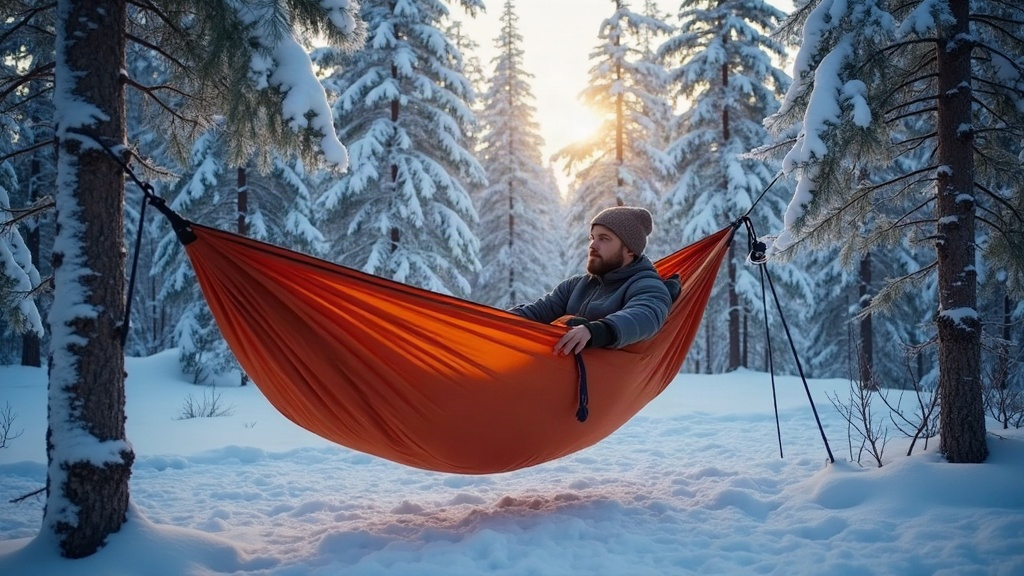
Winter Hammock Camping Without an Underquilt
Winter hammock camping without an underquilt is absolutely doable. You just need to understand how heat escapes through the bottom of your hammock and build layered solutions around that problem. Underquilts are the gold standard for a reason, but they’re pricey, and plenty of campers get through genuinely cold nights using foam pads, clever layering, and a handful of old tricks instead.
Why Hammocks Get So Cold Underneath
Unlike a ground tent, a hammock compresses nothing. Your body weight stretches the fabric thin and traps almost no insulating air beneath you. This is what people call convective cooling, or “hammock butt”: body heat radiates straight through the fabric into the cold air below, even if you’re zipped into a heavy sleeping bag. The loft that normally keeps you warm on the ground gets crushed flat under your weight in a hammock, so that same bag becomes almost useless without something underneath you.
The Foam Pad Method
A simple foil-backed or closed-cell foam sleeping pad is the most common underquilt substitute, and honestly, it works fine down into the 30s°F (and lower if you layer smart).
Tips for success:
- Grab a pad rated for cold weather. Foam pads with a reflective coating (think basic emergency-blanket material) genuinely add value, not just marketing fluff.
- Pads shift as you toss around at night, and that gap lets cold air straight in. Tape two pads together into one wider unit, or sew/clip a pad sleeve to the hammock so it stays put.
- Two thinner pads stacked beat one thick pad. Layered insulation traps more dead air and compresses less under your hips and shoulders.
Double-Layer Hammock Trick
If your hammock has a shock cord or a gathered-end channel, slide a foam pad between the two fabric layers instead of just plopping it on top. This keeps it from sliding around all night and puts insulation directly against the fabric that’s bleeding heat, rather than sandwiched between you and the hammock surface.
Layering Your Sleep System
Think of it as stacked barriers between your body and the cold air outside:
- Base layer - moisture-wicking thermal underwear (skip cotton, it holds sweat and kills warmth).
- Insulating layer - a puffy jacket or fleece worn to bed.
- Sleeping bag - rated at least 10-15°F colder than the forecast low. Don’t cut it close.
- Bottom insulation - foam pad(s), or a pad plus an emergency blanket.
- Top insulation - a lightweight top quilt or an extra blanket thrown over the sleeping bag for added dead-air space.
Emergency Blankets and Reflective Layers
A cheap reflective emergency blanket tucked between your foam pad and the hammock fabric bounces radiant body heat back at you. It’s not a replacement for real insulation, but it buys you a few extra degrees of margin on a borderline night, which matters when the temperature drops lower than the app said it would.
Wind and Moisture Management
Cold air moving underneath your hammock speeds up heat loss fast, so wind protection matters just as much as insulation does:
- Pitch a tarp low and wide, extending well past the hammock’s sides to block wind from sneaking in underneath.
- Pick campsites with natural windbreaks, dense trees, rock faces, low terrain, rather than an exposed ridgeline that looks nice for the view but turns into a wind tunnel at 2 a.m.
- Keep everything dry. Damp insulation loses effectiveness almost immediately. If there’s any chance of snow or rain, pack your pads and blankets in dry bags.
Other Practical Tricks
- Wear a hat. A surprising amount of heat escapes through your head, even tucked inside a mummy bag.
- Hot water bottle: fill a durable bottle with hot water before bed and tuck it near your core or at your feet. Simple, old-school, works.
- Vapor barrier liner: a thin plastic liner worn under your base layer traps body moisture and heat, which boosts warmth significantly on brutal nights. It’s a bit clammy, sure, but it works when it counts.
- Eat before bed: digestion generates heat overnight, so a calorie-dense snack right before sleep genuinely helps you stay warm.
When to Invest in an Underquilt
Foam pad systems hold up fine down to moderately cold temperatures. But once you’re regularly camping below freezing, an underquilt starts to earn its price tag. It kills pad-shifting entirely, weighs less for the warmth it delivers, and frees your sleeping bag to actually do the job it was designed for instead of getting crushed flat. If winter hammocking turns from an occasional trip into a regular habit, it’s worth budgeting for one.
Final Thoughts
You don’t need expensive gear to hammock camp comfortably in cold weather. A good foam pad, smart layering, solid wind protection, and a few old tricks like a hot water bottle can get you through nights colder than you’d expect. Start with what’s already in your closet, test the whole setup on a backyard trial run before you commit to a real trip, and build up your warmth strategy as temperatures drop further. Get the setup right, and hammock camping in winter can feel just as cozy as any tent.