Best Wood for Spoon Carving: Birch vs. Basswood vs. Willow
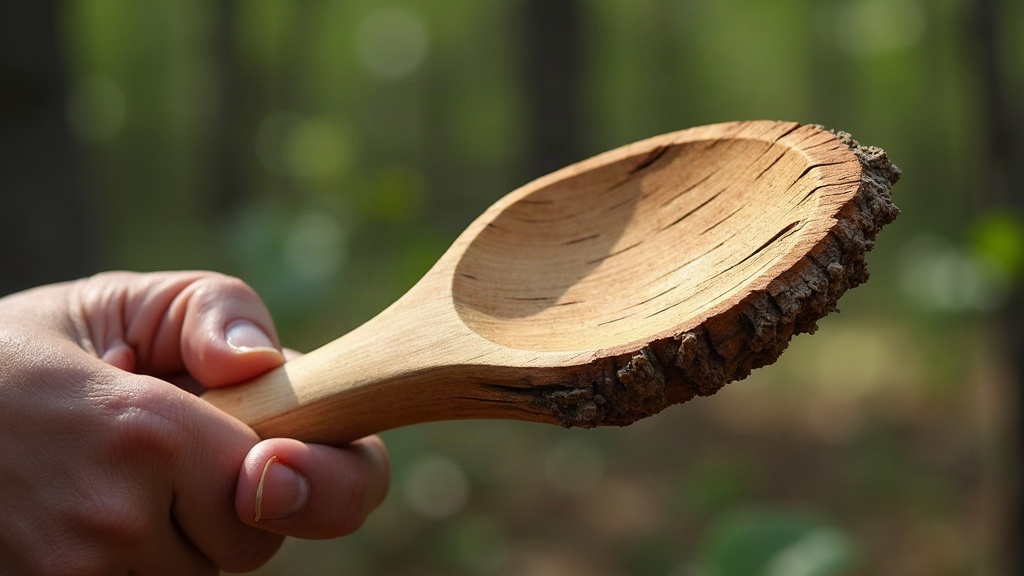
If you’re wondering which wood to grab for your next spoon, here’s the short version: birch if you want durability and fine detail, basswood if you’re just starting out, and willow if you’re into green woodworking and like fast, forgiving cuts. Each one suits a different skill level and a different kind of project, and this guide walks through exactly when to reach for which.
Why Wood Choice Matters for Spoon Carving
Not all wood behaves the same under a knife. Some species shrug off splitting and hold a crisp edge on the bowl of a spoon, while others carve like butter fresh off the log but dent the moment they dry out. Three things decide whether a given wood is spoon-worthy:
- Hardness - affects durability and how much elbow grease each cut takes
- Grain structure - determines how easily the wood tears or splits
- Moisture content - green (freshly cut) wood behaves nothing like seasoned wood under the blade
With that out of the way, let’s look at the three woods carvers reach for most.
Birch: The Durable All-Rounder
Birch is a dense hardwood, and it’s what most experienced carvers pick when the spoon needs to survive years of actual kitchen use.
Pros:
- Excellent durability, resists chipping and wear
- Smooth, tight grain that takes a gorgeous polish
- Naturally food-safe, low in tannins
- Holds fine details, carved handles, decorative necks, that kind of thing
Cons:
- Harder to carve, especially once seasoned - your hand will feel it after an hour
- Needs sharper tools and more frequent stropping
- Green birch is manageable, but dry birch can wear a beginner out fast
Best for: Everyday kitchen spoons, utensils that take a beating, and carvers chasing a polished result that lasts.
Basswood: The Beginner’s Best Friend
Basswood (also sold as linden or lime) is the default in nearly every carving class, and there’s a reason for that.
Pros:
- Very soft, consistent grain, cuts cleanly in almost any direction
- Minimal tear-out, so mistakes don’t ruin the piece
- Light, which makes it easy to rough out shapes quickly
- Easy to find as dried blanks at craft stores, no hunting required
Cons:
- Dents and scratches easily, not the most durable option
- Not great for a spoon that’ll see daily cooking abuse
- Can feel almost mushy next to denser woods, so crisp fine detail is harder to pull off
Best for: First-time carvers, decorative pieces, practice spoons, and anyone still building knife control before graduating to tougher wood.
Willow: The Green Woodworker’s Choice
Willow shows up a lot in bushcraft and green woodworking circles, carved straight from a branch that was still growing a few hours earlier.
Pros:
- Carves with almost no resistance when green, results come fast
- Finished spoons end up light in the hand
- Often free if you forage it, which makes it a low-stakes wood to practice on
- Works nicely with a hook knife when scooping out a bowl
Cons:
- Can warp or crack while drying if you don’t season it properly
- Softer and more porous than birch, so it won’t hold up as long
- Grain tends to run stringy, leaving a fuzzy surface that needs sanding
Best for: Green woodworking, foraged projects, and carvers who’d rather work fresh material than a store-bought blank.
Quick Comparison Table
| Wood | Carving Ease | Durability | Best Use |
|---|---|---|---|
| Birch | Moderate | High | Daily-use kitchen spoons |
| Basswood | Very Easy | Low-Moderate | Beginners, decorative spoons |
| Willow | Easy (green) | Low | Foraged/green woodworking |
Which Wood Should You Choose?
- New to carving? Grab basswood. It won’t fight you while you’re still learning.
- Want a spoon that outlives years of soup and stew? Put in the extra effort with birch.
- Carving outdoors, foraging your own material? Willow is cheap, fun, and easy to find, just season it properly before you finish the piece.
Final Thoughts
There isn’t one “best” wood here, it really comes down to your skill level and what the spoon is for. Basswood teaches technique. Birch gives you a finished piece built to last. Willow ties you back to the roots of green woodworking, cutting something that was alive that same morning. Plenty of carvers end up keeping all three on their bench and picking whichever fits the day’s project. Start with whatever’s available near you, pay attention to how the grain talks back to your knife, and you’ll pick up a feel for the right wood soon enough.