Trekking Pole Tents vs. Freestanding Tents for Rocky Terrain
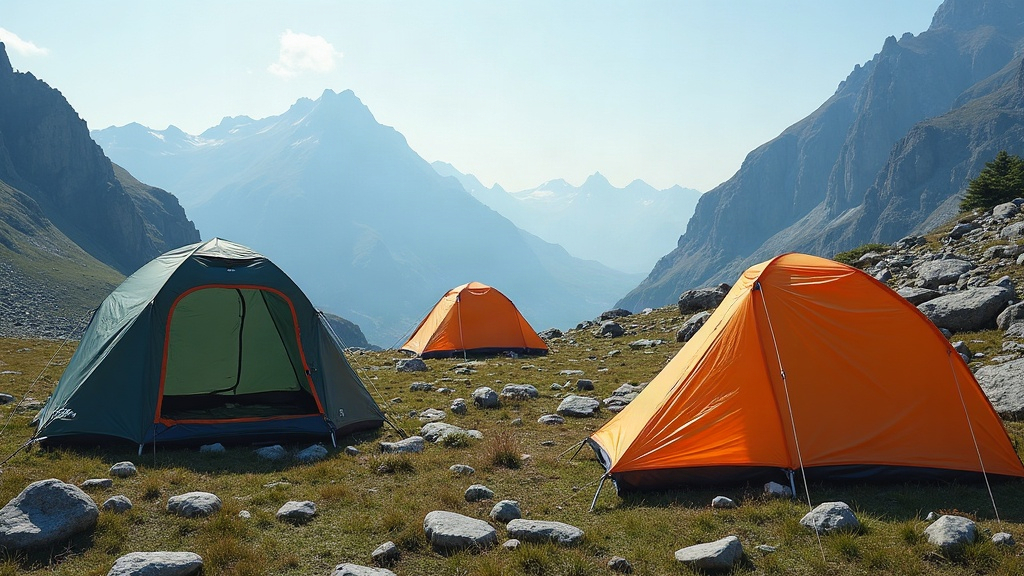
Trekking Pole Tent vs. Freestanding Tent on Rocky Alpine Terrain
Choosing between a trekking pole tent and a freestanding tent for rocky alpine terrain really comes down to one trade-off: weight savings versus setup flexibility. Trekking pole tents shave serious ounces off your pack, but they demand a solid stake job, which gets tricky when you’re pitching on bare rock. Freestanding tents, on the other hand, go up almost anywhere, slabs included, but you pay for that convenience with heavier dedicated poles. Here’s a detailed breakdown to help you figure out which shelter deserves a spot in your pack on your next alpine trip.
How Trekking Pole Tents Perform on Rock
Trekking pole tents (think Zpacks Duplex, Durston X-Mid, or Gossamer Gear “The One”) skip dedicated tent poles entirely and use your hiking poles for structure instead. That single design choice usually drops total shelter weight to somewhere around 1-2 pounds.
The catch in rocky terrain: these shelters depend on taut guylines staked firmly into the ground to hold their shape. On exposed granite, loose scree, or the thin, gritty soil you find above treeline, driving a stake can feel like trying to hammer a nail into a sidewalk.
Here’s what experienced alpine backpackers actually do instead:
- Rock anchors: tie guylines off to large, stable rocks instead of stakes
- Deadman anchors: bury a stake, or even just a rock, under a mound of loose gravel
- Rock cairns: stack stones directly over stake points for extra holding weight
- Y-stakes or titanium shepherd hooks: these grip far better than standard stakes in loose, rocky-sandy mixes
If you’re camping above treeline, where campsites are often flat rock pads with almost no real soil, plan on practicing your anchoring beforehand. Carry a backup kit: 2-3 extra feet of cord and a couple of small stuff sacks you can fill with rocks on the spot as makeshift deadman weights. It sounds fussy until the one night you actually need it.
How Freestanding Tents Perform on Rock
Freestanding tents (MSR Hubba Hubba, Big Agnes Copper Spur, Nemo Dagger) use a self-supporting pole structure that holds its shape with zero stakes required. This is where they really shine in rocky alpine zones:
- Pitch directly on a granite slab, a packed scree pad, or a narrow rock ledge
- No scrambling around looking for ground that will actually accept a stake
- Easier to pick the tent up and reposition it if your first spot turns out to be a bad call
- More forgiving if a single anchor point pulls loose overnight. the rest of the structure still stands
The trade-off is weight. A freestanding two-person tent typically runs 3-4.5 pounds, roughly double what you’d carry with a comparable trekking pole shelter. And don’t let the name fool you: you’ll still want to stake out the vestibule and guylines in wind. A “freestanding” tent isn’t fully wind-stable on its own, especially above treeline where gusts of 30-40 mph aren’t unusual.
Wind Exposure: The Real Deciding Factor
Rocky alpine terrain almost always means exposed ridgelines and real wind, and honestly, that matters more than the ground surface itself.
- Trekking pole tents tend to sit lower and more aerodynamic, shedding wind well once properly guyed out. The risk is that a single failed anchor in a strong gust can mean the whole thing collapses on you at 2 a.m.
- Freestanding tents hold their shape even with a partial anchor failure, which buys you some margin when a sudden gust hits. But their boxier profile catches more wind if you don’t orient it carefully (point the narrow end into the prevailing wind, not the broad side).
Setup Speed and Group Size
- Freestanding tents go up fast when you’re gassed at 9,000 feet: clip the poles in, stake the corners, done in five minutes.
- Trekking pole tents take longer to pitch tight, especially the first few times out. Once you’ve dialed in your anchor system, though, they come together just as quick.
- For solo ultralight alpine trips, trekking pole tents win on weight-to-shelter ratio, no contest.
- For group trips or sites where the rock terrain is uncertain and technical, freestanding tents cut down on both risk and setup time.
Durability on Abrasive Rock
Rocky ground chews through tent floors faster than dirt or forest duff ever will. A few things to keep in mind no matter which style you choose:
- Use a footprint or groundsheet (Tyvek or polycryo). Grit and sharp edges on rock surfaces will wear through a standard tent floor much quicker than soil would.
- Walk the pitch site first and check for sharp protrusions before you lay the tent out.
- Trekking pole tents often run thinner floor fabric (10D-20D), so they need more care on rock than freestanding tents, which commonly use a sturdier 30D-40D floor.
Quick Recommendation
| Scenario | Better Choice |
|---|---|
| Solo/ultralight thru-hike with alpine sections | Trekking pole tent |
| Frequent slab/rock-pad camping above treeline | Freestanding tent |
| High wind ridgelines, inexperienced with anchors | Freestanding tent |
| Weight-conscious trips with practiced anchoring skills | Trekking pole tent |
| Group trips, variable terrain | Freestanding tent |
Conclusion
Neither shelter is objectively “better” for rocky alpine terrain. It really comes down to how comfortable you are improvising anchors and how much extra weight you’re willing to carry for peace of mind. If you’ve got rock-anchor skills down and want to shave pack weight, a trekking pole tent works just fine even on granite. If you’d rather have a reliable, no-anchor-needed pitch no matter what the ground throws at you, a freestanding tent is still the safer default for unpredictable alpine campsites.